How to buy a new house before selling your current one in Pierce County
The short answerFiled under Moving up
Most people do it one of three ways: make an offer that depends on selling the current house, borrow against the equity in it so they can buy first, or sell first and rent the old house back from its buyer for a short stay. Each route has a price, and which one fits comes down mostly to your equity and to how much competition there is for the house you want.

By Austin Hellickson, Managing Broker, LPT Realty7 min read
Start with two numbers
Before picking a route, get two answers. The first is what your current house would likely net after the sale: the price, minus the mortgage payoff, minus the costs of selling. I can put that estimate together from recent sales of homes like yours nearby. The second answer comes from a lender. Could you qualify for the new loan while still owning, and paying for, the house you live in now?
Those two answers close some doors before preference even enters into it. If the down payment has to come out of your current house, you need that sale to happen first or a way to borrow against the equity. If a lender can’t count both payments against your income, carrying two houses at once may be off the table. Lenders look at this differently and their rules change, so have the conversation early, with real numbers.
Making your offer contingent on selling your current home
This is the simplest route on paper. You write an offer on the new house with an addendum that makes your purchase depend on your current home selling by a set date. The Northwest MLS has a standard form for it, and the terms are negotiable: how long you have, and what happens if the seller gets another offer while you wait.
A common arrangement lets the seller keep the house on the market. If a second buyer shows up, you get a short window to drop your contingency and go ahead, or step aside. The contingency protects you from owning two houses. It also leaves the seller free to move on.
How strong the offer looks depends almost entirely on where your own house stands. The first thing a listing agent wants to know about a contingent offer is the status of the buyer’s home. A house that isn’t on the market yet is a hope. One that is listed at a price that matches recent sales is a plan. One that is already under contract, with its buyer’s inspection behind it, is close to a sure thing, and a seller will read it that way.
That points to the practical move. Get your house ready and listed before you shop hard, or at least have it photographed and priced so it can go live the day you find the right place. Contingent offers also tend to land better in quieter stretches like late fall and winter, on a house that has sat for a while, or with a new-construction builder who expects buyers to have a home to sell. Up against several offers on a busy spring weekend, a contingent offer usually loses.
Borrowing against the house you have: bridge loans and HELOCs
With solid equity, you can borrow some of it for the down payment on the next house, then pay that loan back when the old one sells. That lets you write an offer with no sale contingency, which is usually the strongest position a buyer can take.
A home equity line of credit is the more familiar tool. The timing catch is that many lenders won’t open one on a house that is already listed for sale, so it has to be in place before the sign goes up. A bridge loan is built for exactly this gap: a short-term loan secured by your current home and meant to be repaid from its sale. Fewer lenders offer them, and the fees and rates usually run higher than on an ordinary mortgage. Some companies also sell programs that back your purchase with their own cash and sell your old house afterward. Read the fee schedule on those closely and compare it with the cost of a plain listing.
The price of this route is carrying two homes. The mortgage, property taxes, insurance and utilities on the old house keep running until it closes. A vacant house needs looking after, too. In a Pierce County winter that means leaving the heat on so pipes don’t freeze, and asking your insurance agent whether a vacant home is covered the same way an occupied one is.
In return, you move once, and you sell an empty house that can be painted and staged without working around anyone’s routine. The preparation I walk through on the selling page goes faster with nobody living there.
Selling first and staying on with a rent-back
The opposite approach is to sell your house, close, and stay on as the buyer’s tenant for a short, agreed period while you buy the next one. The Northwest MLS has forms for occupancy after closing that set the rent, the deposit, the move-out date and who is responsible for what. Both parties need insurance that fits the arrangement, which means a call to your insurance agent before closing.
The advantage is certainty. Your sale is done, your proceeds are in the bank, and you can write a clean offer against a known budget. The drawback is a deadline. If the right house hasn’t turned up by your move-out date, you are looking at a short-term rental and moving twice.
A rent-back also changes how your house reads to buyers. The buyer’s lender may limit how long a seller can stay after closing, since an owner-occupied loan expects the buyer to move in. Some buyers can’t wait. A family trying to be settled before school starts, or someone reporting to Joint Base Lewis-McChord on a fixed date, may pass on a house they can’t move into for weeks. A stay of a week or two is a much easier ask than a long one.
Lining up two closings in the same week
Plenty of moves end with both closings a day or two apart. Done well, you hand over the keys to one house and pick up the keys to the next without a night in a hotel. Getting there takes some sequencing.
In Washington, a sale closes when the documents record with the county, and the seller’s money comes out of escrow after that. If your proceeds are paying for the purchase, the sale has to record first. Where you can, schedule the sale a day or more ahead of the purchase, and make sure both escrow officers and both lenders know the two files are linked.
Possession is its own term in the purchase agreement. It is often set for closing day, but it can be negotiated for later, which buys you time to move. A few things are worth arranging early:
- Movers who know the date could slide a day or two, and a plan for where your things wait if it does.
- Wire instructions confirmed by calling your escrow officer at a number you already have, never one that arrived by email.
- Insurance on the old house kept in force until the sale records.
- Utilities set to switch over once each closing is confirmed.
If the buyer of your home hits a loan delay, your purchase can slip right along with it. Ask ahead of time how an extension would work on both contracts.
Choosing the route that fits your situation
| Route | Tends to work when | What it costs you |
|---|---|---|
| Sale contingency | Your house is listed or under contract, and the one you want isn’t drawing a crowd | A weaker offer, and the chance of losing the house to a buyer without one |
| Bridge loan or HELOC | You have strong equity and a lender approves both payments | Loan costs, plus carrying two homes until the sale closes |
| Sell first, rent back | You want a firm budget and a clean offer | A move-out deadline, and possibly moving twice |
The routes also combine. One common plan is to open a line of credit before listing as a backstop, list the house, and negotiate a short rent-back if the sale comes together first. Whatever you choose, confirm loan terms and qualification with your lender, and ask a tax professional how the sale of your home will be treated.
Look past the price of the next house, too. If the move is about making room for a parent or a grown child, the lot itself matters. My piece on building an ADU on a Pierce County lot covers what to check before you count on a backyard cottage, and what happens to your property taxes after you buy is worth a read before you set a monthly budget.
Talk it through with me
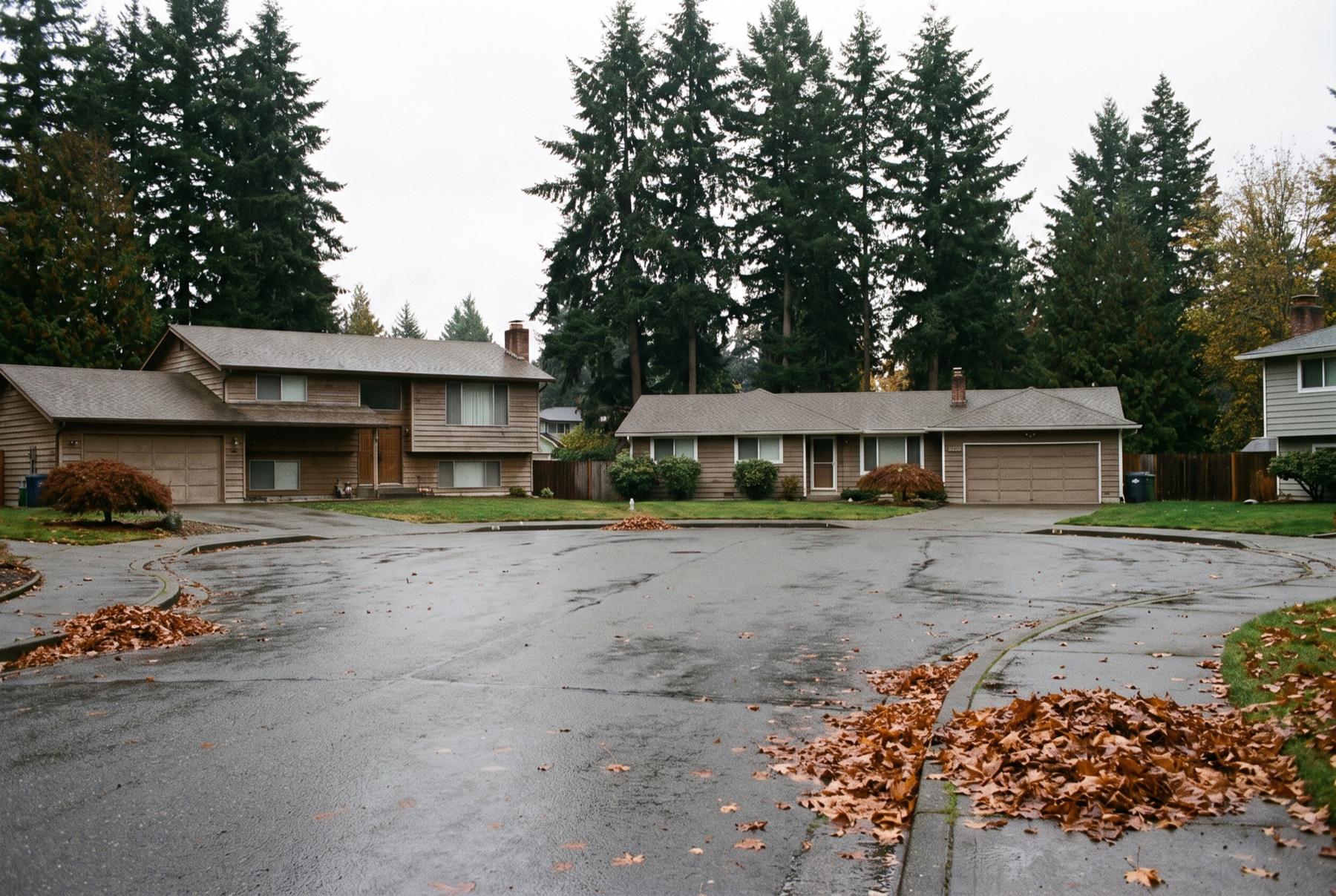
Most of these moves start with the two numbers at the top of this article. Call me at 206.940.0942 and I’ll put together an estimate of what your house would net, whether it’s a rambler in Lakewood or a split-level on South Hill. Then we’ll get a lender on the phone for the other half of the math, and you’ll know which order makes sense before you tour a single house.