Selling a home in Pierce County
Most of a sale is decided before the sign goes up, in what gets fixed and which recent sales the house is priced against.
How should I prepare my house to sell?
Start with a walk-through together, then fix what a buyer’s inspector would flag and declutter more than feels necessary.
I go room by room with you and say what a buyer in your part of the county is likely to notice. Then I sort the list into what is worth doing before we list and what a buyer will barely notice, and I tell you which is which.
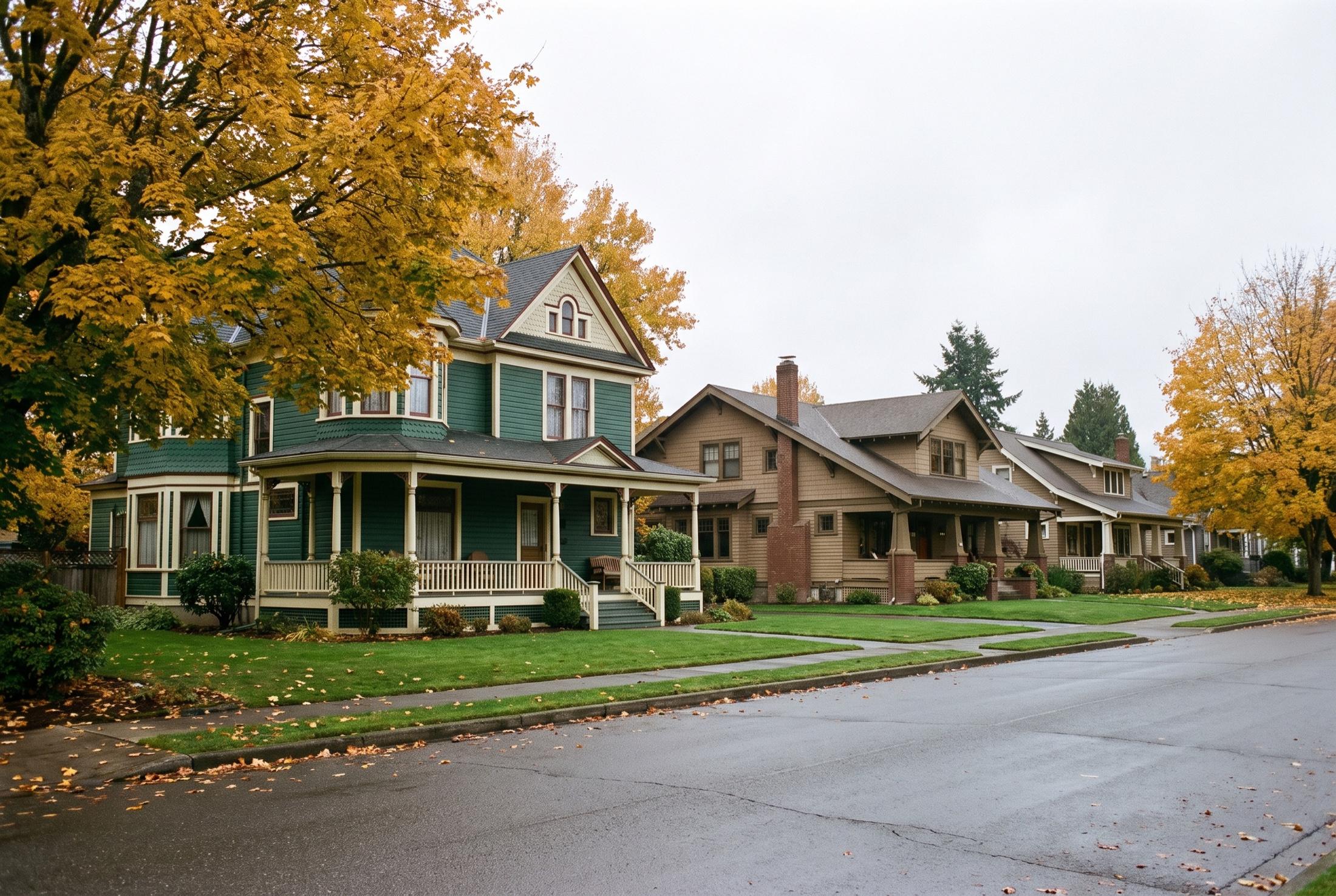
The work that pays off here is usually plain: fresh paint in warm, quiet colors, clean windows, repaired trim, and gutters and a crawlspace that would pass an inspector’s flashlight. Moss on the roof and a damp crawlspace are two things western Washington buyers have learned to look for, and the buyer’s inspector will find them either way.
On an older home, consider a pre-listing inspection. With a bungalow near downtown Puyallup, or a Tacoma house that might still have an oil tank in the yard, it is better to know now and decide how to handle it than to learn about it halfway through a buyer’s inspection period.
Then declutter harder than seems reasonable. Clear the counters and pack the closets until they are half full. We stage what remains, sometimes with a few rented pieces, so the rooms and the view out the windows get the attention.
What sets the asking price on a Pierce County house?
I price from recent sales of homes like yours, in the same part of town, then adjust for what makes yours different. You make the final call.
Like-kind comparisons matter. A rambler in University Place is measured against ramblers in University Place. A house on five acres in Graham is measured against other acreage, even when a subdivision a mile away has more recent sales. Then I adjust for the real differences: a view, a shop, a remodeled kitchen, a busy road out front.
You set the price. My job is to give you a clear recommendation, show you the sales behind it, and say plainly what I expect to happen at a few different prices. Listing high to leave room for negotiation usually backfires. The first weeks on the market bring the most attention, and a house that sits tends to draw lower offers later.
Where will buyers see my house?
Professional photographs for every listing, with video, a floor plan or aerial photographs when the house calls for them, then the Northwest MLS and the search sites it feeds.
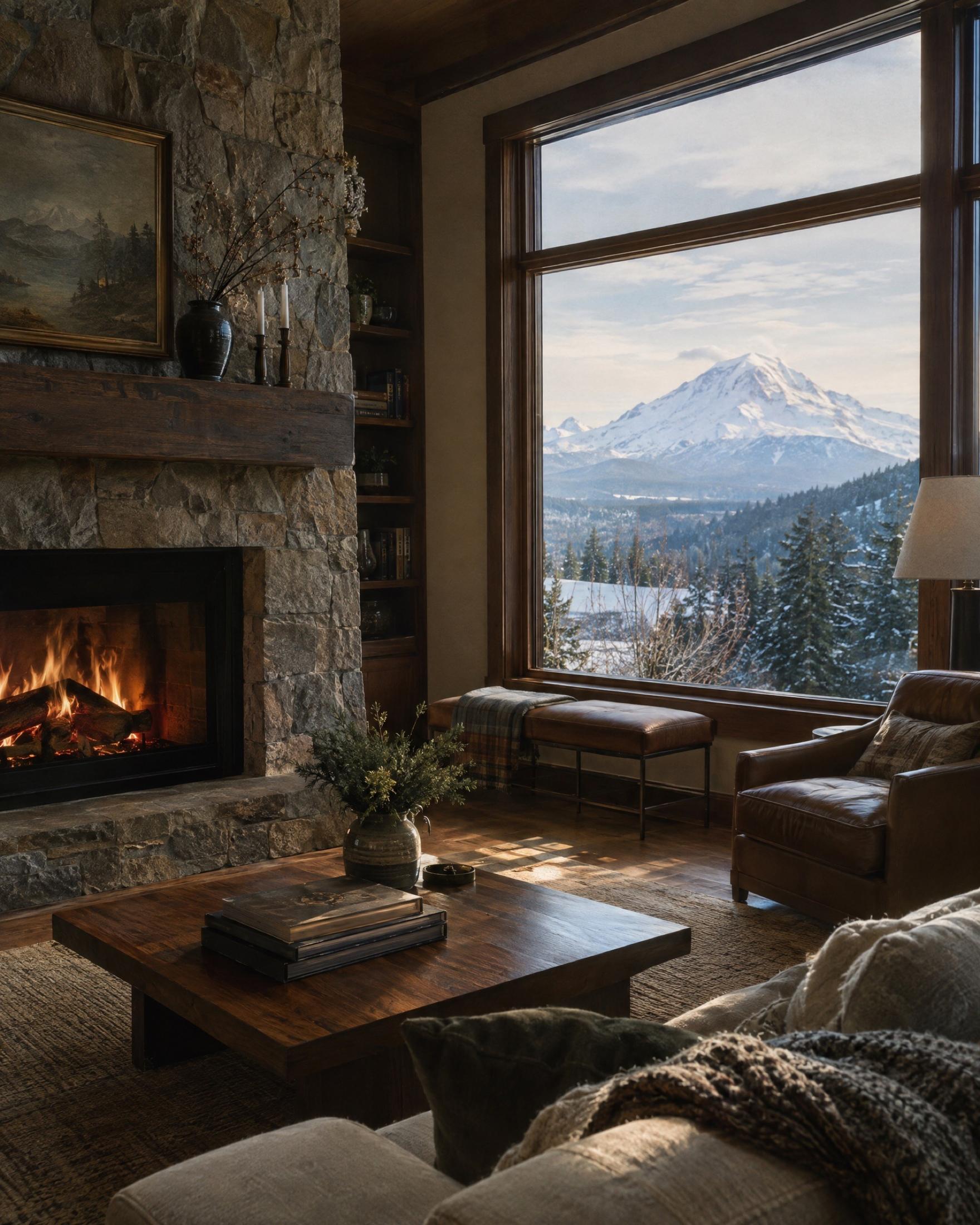
What a listing needs depends on the house. A waterfront home in Gig Harbor or a mountain-view property in Orting needs photographs taken from the air or at the right hour of the day. A tidy townhouse in Lakewood needs clean light and an accurate floor plan.
I write the listing description myself, with the details local buyers look for: the school district, the drive to SR 512 or the nearest Sounder station, a lot that backs onto a greenbelt, a garage deep enough for a pickup. I can also share the listing with agents in Homexa®, a network of 300+ agents across 25 states, some of whom work with buyers relocating from out of state.
Showings are scheduled through a showing service with notice to you. I collect feedback after each one and pass it along to you, the unflattering comments included.
What happens when offers come in?
I lay the offers side by side and walk you through each one, term by term. Price is the headline, and the terms underneath it can matter just as much.
Beyond the price, we look at the financing, the earnest money, the contingencies, the closing date and anything unusual in the addenda. A higher offer with a shaky loan or a long inspection period is sometimes the weaker one.
If several buyers are interested, we decide together whether to set a date to review offers or respond as they arrive. After mutual acceptance, negotiation usually continues through the buyer’s inspection. I help you decide which requests to accept, which to answer with a credit, and which to decline.
Then comes the appraisal if the buyer is financing, and the long list of tasks with escrow and title. I keep track of the dates so you do not have to.
What disclosures and closing costs do Washington sellers have?
Sellers of residential property in Washington complete a seller disclosure statement, known locally as Form 17. Answer every question completely, and where you do not know, say so. I can walk you through the form, but I cannot give legal advice; if a question about your property is hard to answer, talk to a real estate attorney before you sign it.
Washington sellers also typically pay the real estate excise tax, which is graduated by sale price, along with their share of escrow fees, the buyer’s title insurance policy and the brokerage commission. Before you list, I give you a net sheet that estimates your proceeds, so the numbers at closing are not a surprise.
How long does it take to sell a house here?
It depends on the house and the season. Preparation can take a weekend or a couple of months. Time on the market depends on pricing and demand in your area that season.
Once you accept an offer, the length of escrow depends mostly on the buyer’s financing and the terms you agree to. At our first meeting I will sketch a realistic calendar for your house, and I will update it as we go.
Selling next spring, or next month
Call me either way. I will walk the house with you and leave you with a written list: what I would fix, what I would leave alone, and which recent sales I would price it against.